Introduction: A $2,500,000 Challenge and an Inspired Spark
Imagine securing two and a half million dollars to fund your dream science fiction film. It sounds like an impossible dream, but that is exactly the prize fund established by renowned futurist Peter Diamandis (Peter Diamandis) through his groundbreaking XPRIZE competition. The core requirement of this challenge was both beautiful and incredibly demanding: showcase an optimistic, abundant, and inspiring future for humanity, steering far away from the dark, post-apocalyptic tropes that dominate modern sci-fi.
Director, former photographer, and agency founder PJ Accetturo (PJ Accetturo) stumbled upon the competition announcement right after finishing Andy Weir’s sci-fi masterpiece, “Project Hail Mary.” Inspired by its message of resilience and scientific wonder, he knew he had to compete. The result was an epic, 3-minute concept trailer for his film, Nexus. While the XPRIZE competition served as the initial catalyst, the trailer fulfilled its ultimate purpose beyond expectations: it served as a high-fidelity proof of concept, capturing the attention of a private financier who completely funded the upcoming feature-length production of Nexus.
The original Nexus concept trailer that successfully secured feature-length funding.
In this playbook, we will break down the exact production pipeline PJ and his team utilized to craft this trailer. This is a practical, step-by-step masterclass for independent directors and AI videomakers looking to produce epic cinematic scale without Hollywood budgets.
1. Trailer vs. Teaser: The Evolution of Story
If you follow the AI filmmaking community, you likely witnessed the massive viral success of the Nexus teaser trailer that debuted last week. There is, however, a stark difference between that teaser and this original 3-minute concept trailer. The trailer was actually written and generated first. In this original narrative, Earth was plagued by a mysterious drought: oceans receded, rain ceased, and a lead scientist at CERN discovered a gateway to alternate realities in search of answers—only to find those splintered worlds suffering from the exact same crisis.
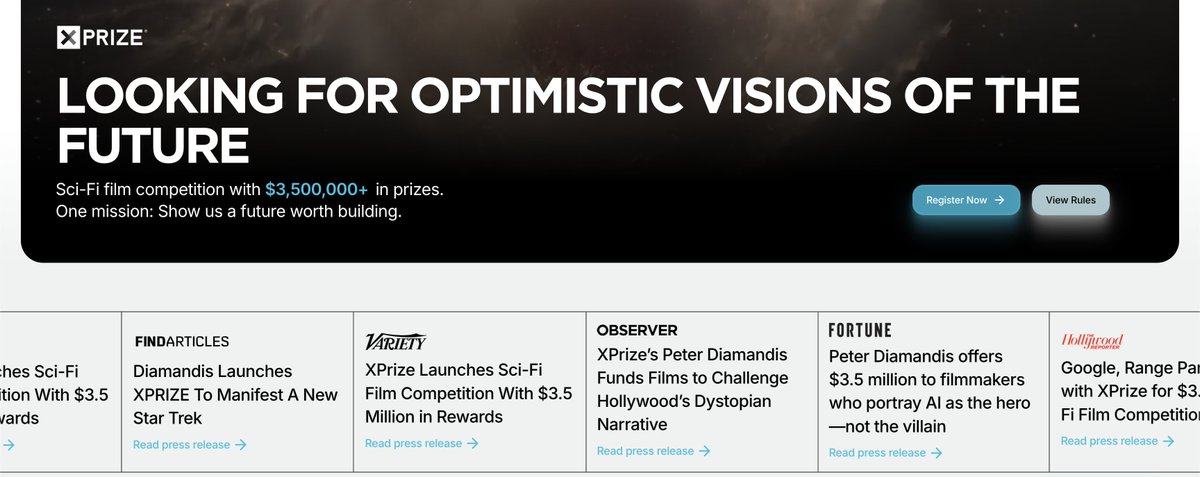
Initial visual inspiration drawn from Project Hail Mary and classical sci-fi design.
During production, PJ arrived at a critical storytelling realization: a narrative centered on animals in crisis and biological preservation was far more emotionally resonant and compelling than a global drought. Consequently, the original trailer is no longer strictly canon to the Nexus universe, but the key characters and locations are being fully integrated into the feature script currently being re-written.
The lesson for filmmakers here is vital: a script is a living, breathing entity. Never hesitate to scrap two months of work if you discover a deeper, more powerful emotional hook. True storytelling requires the courage to iterate and kill your darlings )
2. Writing a 3-Minute Trailer: The Gemini Reverse-Engineering Hack
Writing a short film is notoriously difficult. Writing a 3-minute trailer that establishes an entire sci-fi universe from scratch and delivers a poignant narrative arc is an absolute nightmare. PJ and his co-writer, Dan Weller (Dan Weller), spent three grueling weeks writing a three-minute script—more time than they usually spend drafting 30-page screenplays.
The primary challenge was managing worldbuilding while simultaneously distilling the narrative down to its most poignant, high-impact emotional beats.
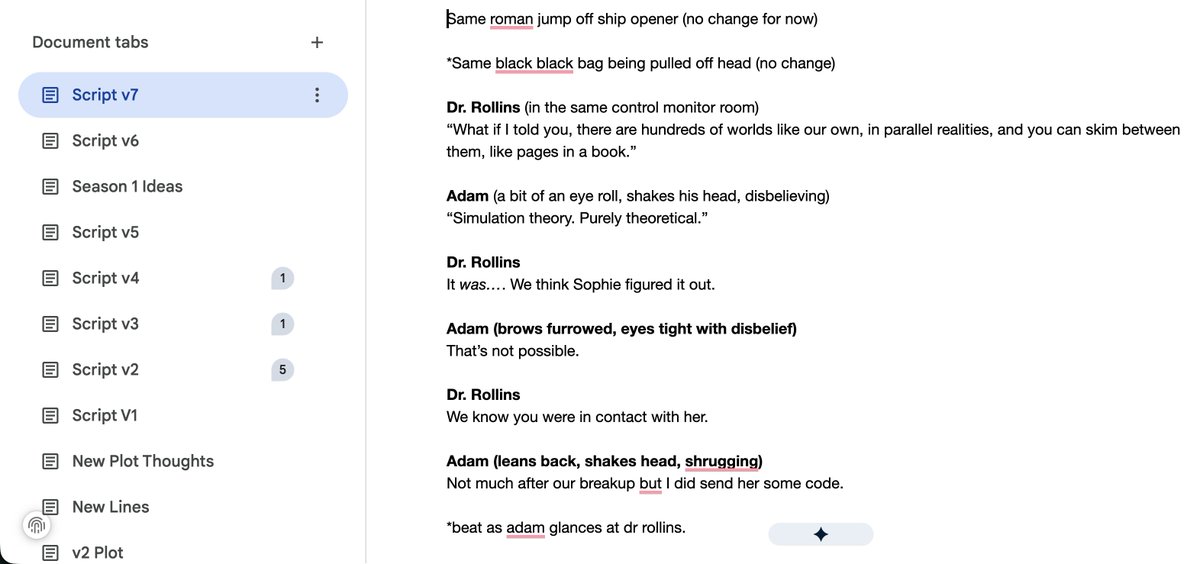
Reverse-engineering Hollywood trailer structures using Google Gemini.
The AI Writing Hack: To unlock the rhythm and pacing of cinematic trailers, the team transcribed several trailers for “Project Hail Mary.” They fed these transcripts into Google Gemini and instructed the model to reverse-engineer their structural formula: mapping out the pacing, emotional peaks, and editing transitions. They then applied these reverse-engineered templates directly to their own script, saving dozens of hours of trial and error.
3. Collaborative Board Architecture: Figma and Pinterest
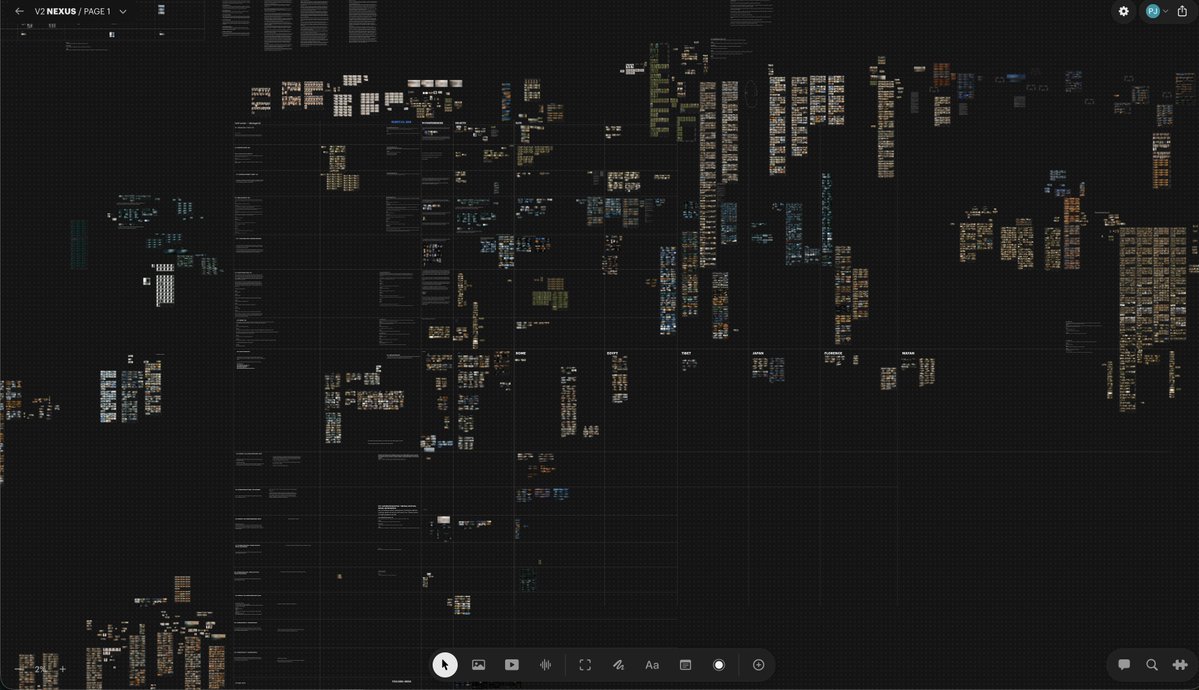
Once the script was locked, the team migrated the pipeline to collaborative digital canvases. PJ utilized massive scene-by-scene Figma boards to coordinate his crew. However, before artists can generate assets, the director must establish a unified visual code for the entire universe.
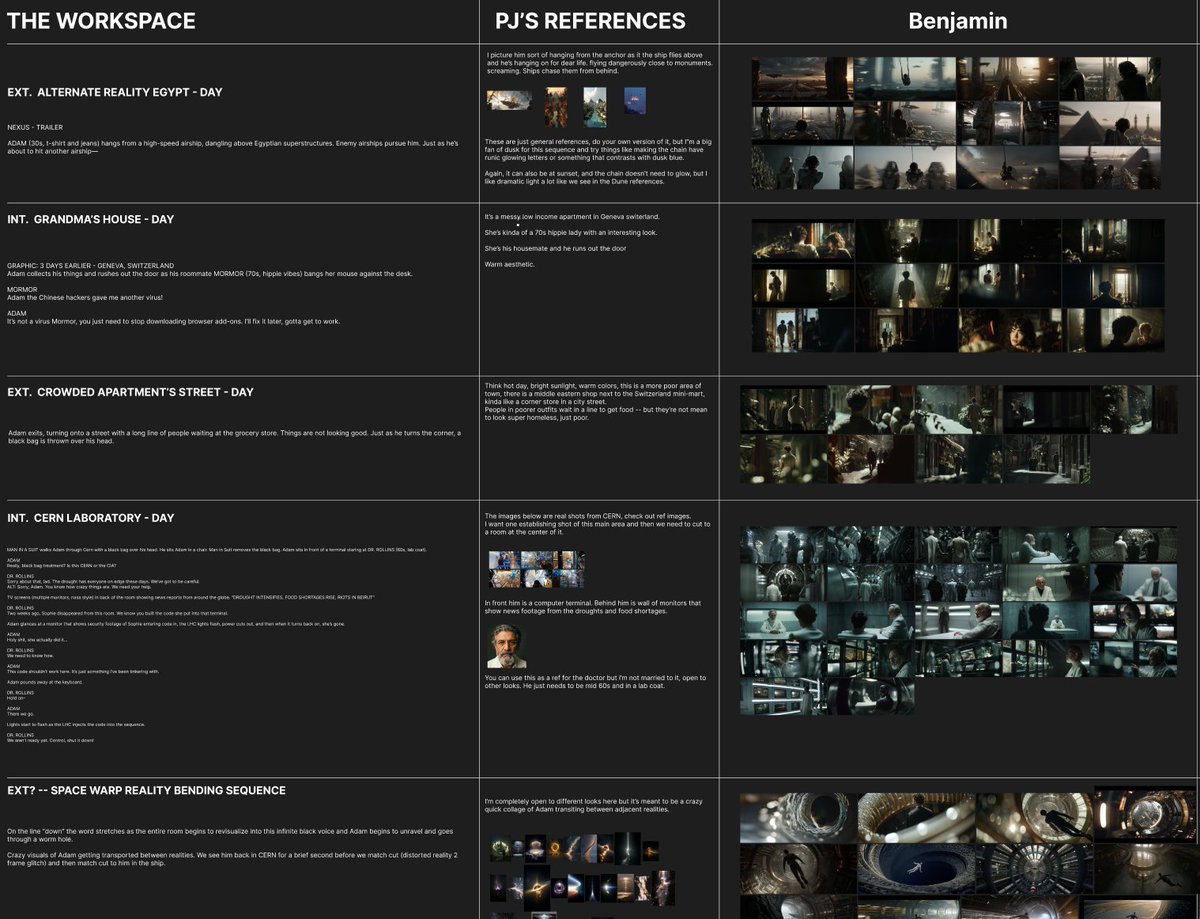
A scene-by-scene collaborative Figma board mapping out the entire script.
To establish visual inspiration, PJ bypassed traditional AI prompt engines and turned to Pinterest. His secret weapon was the platform’s “see more like this” recommendation algorithm. After defining his core aesthetic as “Greco-Futurism” (classical Greek and Roman architecture fused with advanced technology), he infinitely clicked through recommended images, pinning hundreds of reference assets until the world achieved absolute visual cohesion.
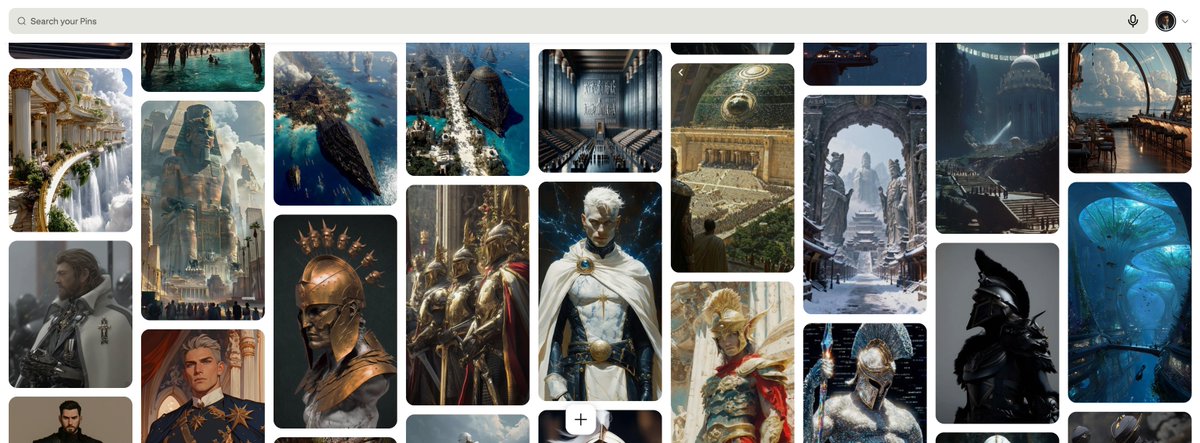
Sourcing cohesive visual references for the Greco-Futurism aesthetic on Pinterest.
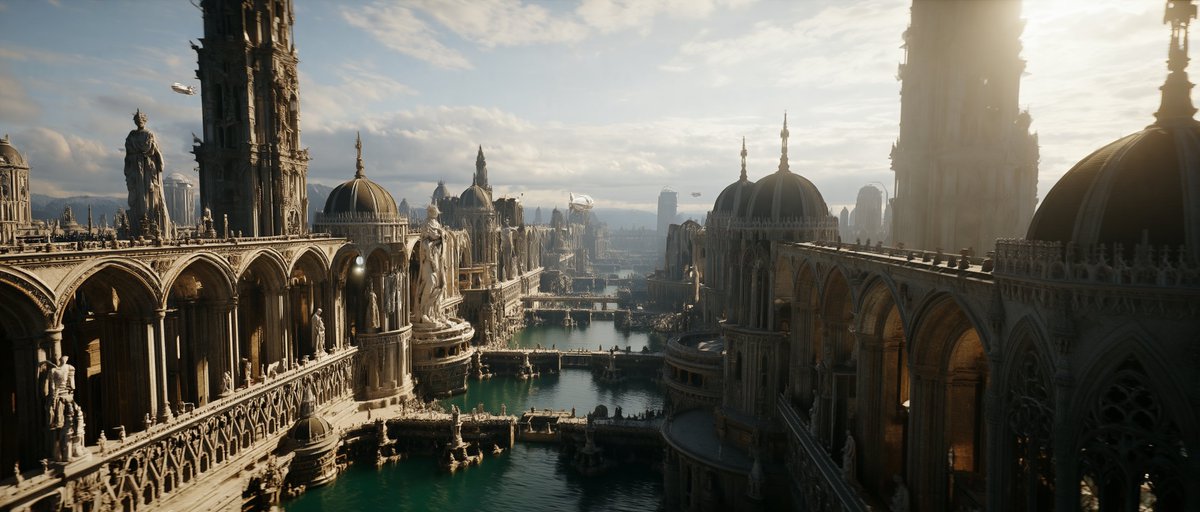
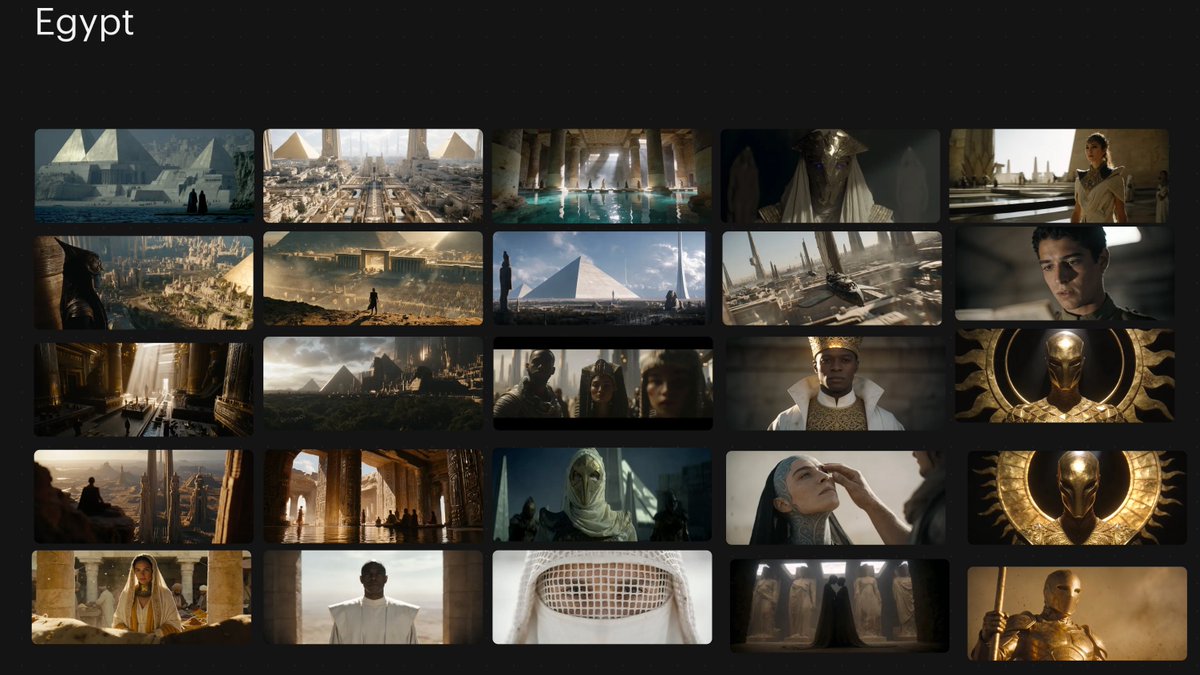
The parallel realities of Nexus depict splintered timelines of human history. What if Rome, Egypt, or the Mayan empires never fell, but evolved into techno-organic super-cities with 2,000-foot monuments and advanced airships?
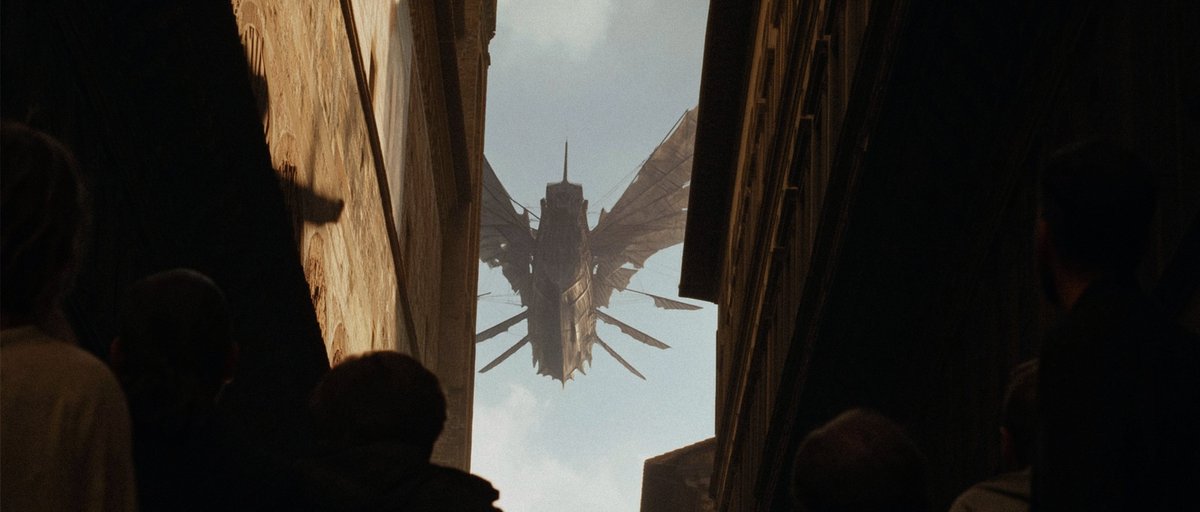
A highly advanced alternate Roman Empire.
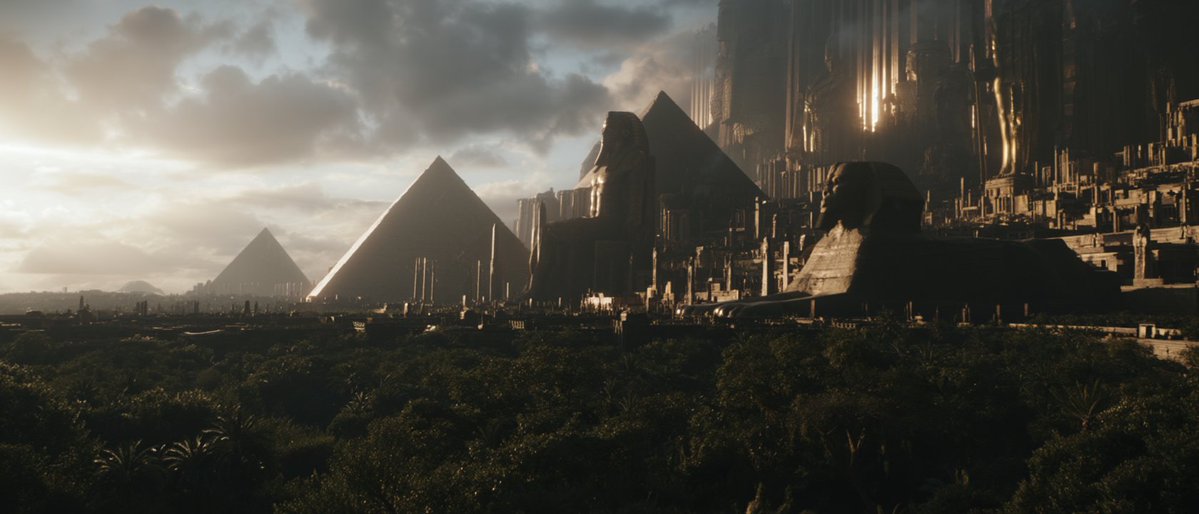
Neofuturistic Egyptian cityscapes.
A thriving Mayan techno-civilization.

Gigantic classical monuments in alternate futures.
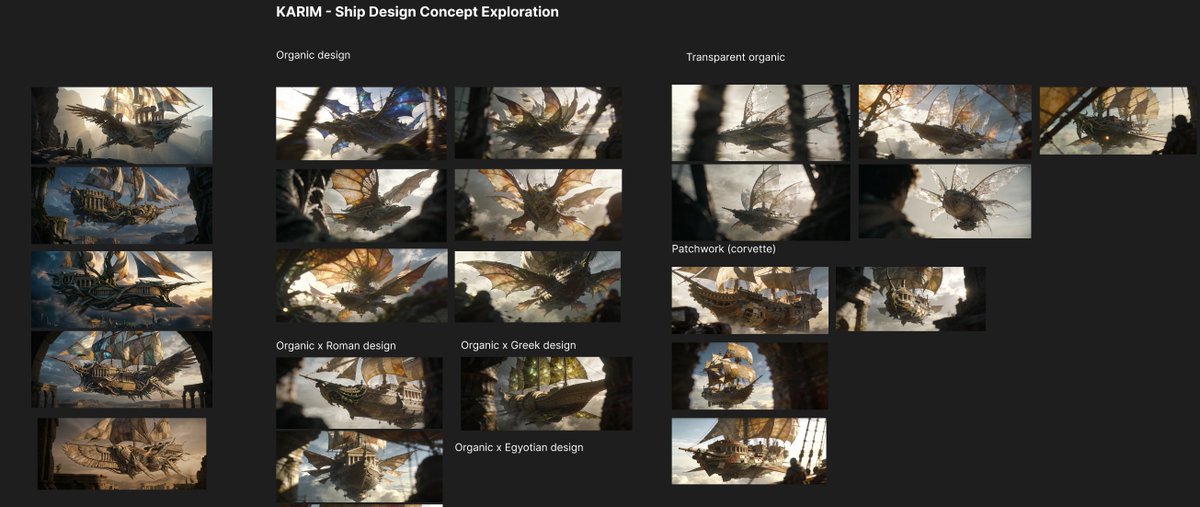
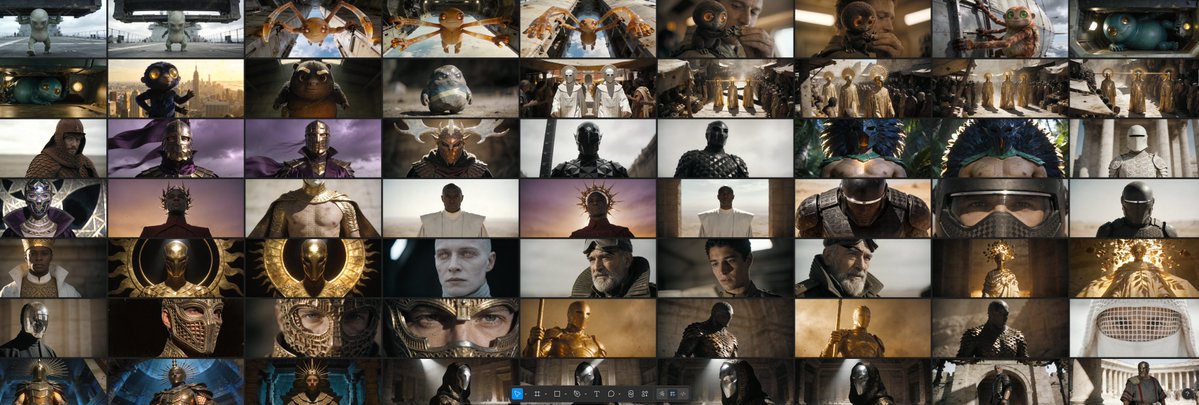
To flesh out this world, PJ enlisted top Midjourney concept artists: Ben Springer, H. Khachatrian, Rofoverse, NEXUS TO NOVA, OAK200, and Karim. Each artist was assigned a completely isolated tab on the Figma board to prevent them from influencing or diluting each other’s styles, maximizing creative diversity for each location.
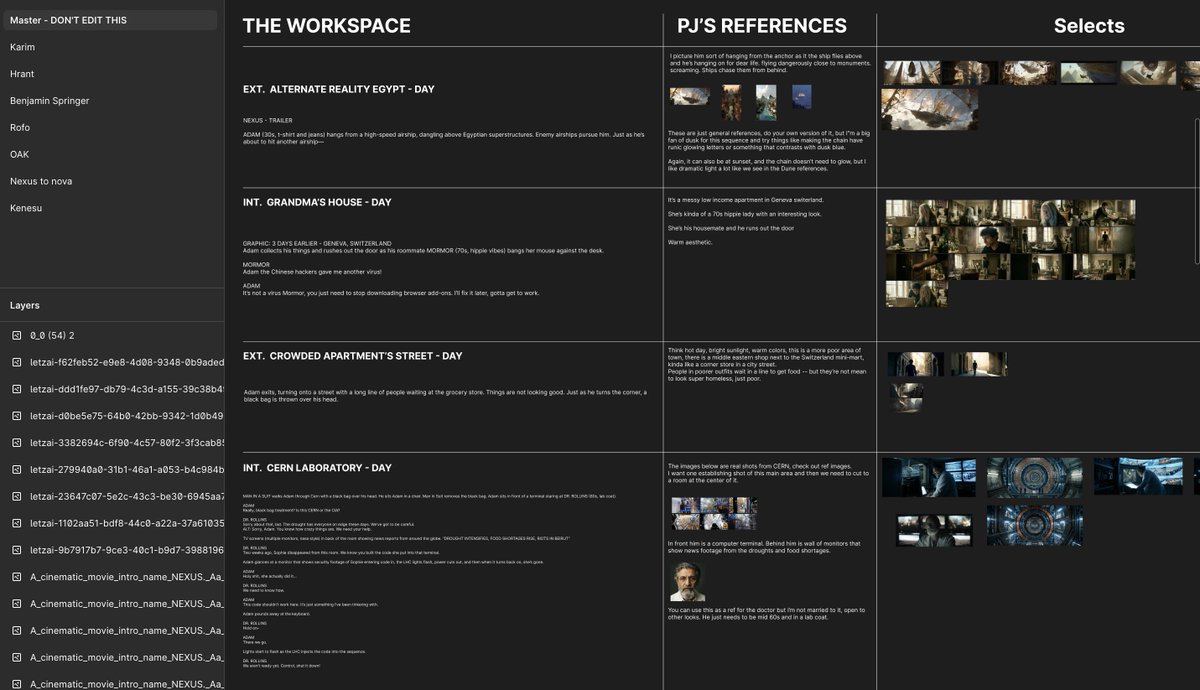
The expansive Figma workspace used by look-dev artists.
Because retaining a massive team for every final shot is financially unsustainable for an indie studio, PJ collaborated closely with artist Karim (@karim_yourself) to execute the bulk of the core cinematic assets. Karim achieved beautiful visual continuity by utilizing a custom pipeline combining Midjourney, Nano Banana, and Seedream.
4. Character Sheets and Luma Board Discipline
Maintaining character consistency in generative video is notoriously difficult. PJ spent a full day perfecting the facial structures of lead characters Adam and Sophie. Drawing on his ten years of experience as a photographer, he demanded photorealism, avoiding the artificial, plastic look common in generic AI generations.
Director’s Pro-Tip: To generate extremely clean, cinematic portraits, utilize the **Nano Banana Pro 2k** model and append camera/lens configurations: "anamorphic, shallow depth of field, 21:9".
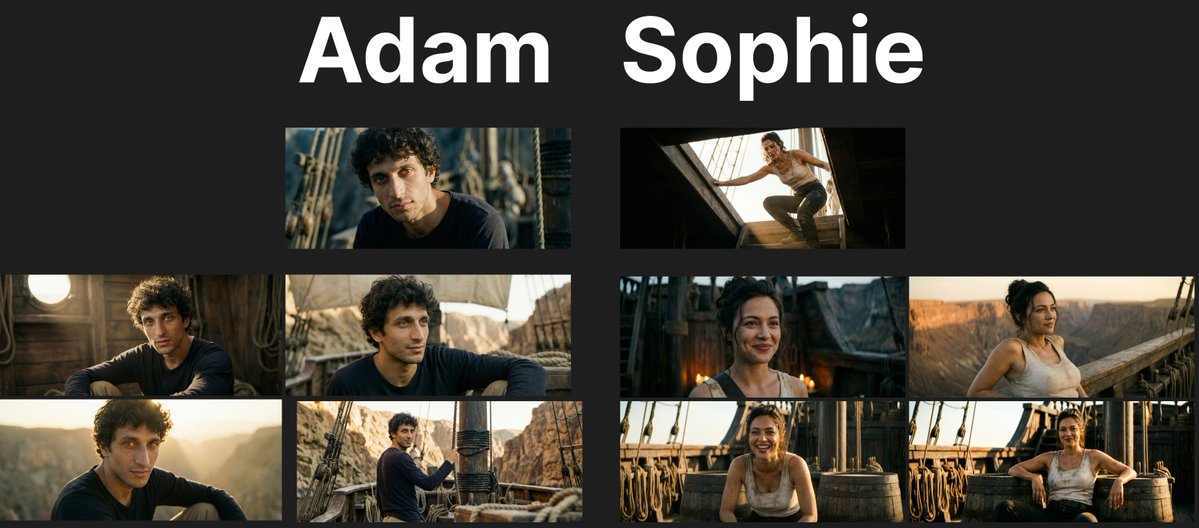
Adam and Sophie portrait configurations featuring cinematic shallow depth of field.
When dealing with massive generative projects, strict file structure is the difference between success and madness. The project’s master board contained over 10,000 unique generations! The Luma board was structured with rigid hierarchy: scripts and scene headings at the top, characters below, followed by locations, and finally individual prop references.

Character Consistency Hack: Always generate horizontal character sheets on clean, pure white backgrounds showcasing three views side-by-side: a front view (left), side profile (center), and close-up (right). Adding identifying text directly onto the image using Photoshop helps the generative model understand the spatial geography of the subject when running image-to-video animations.

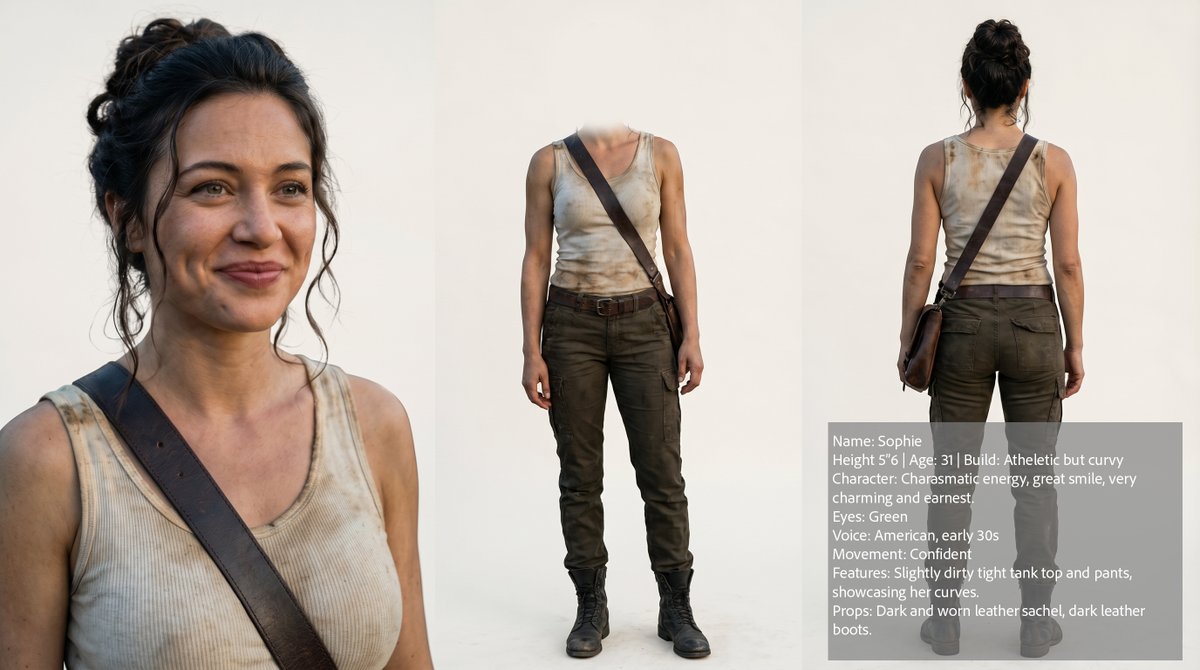
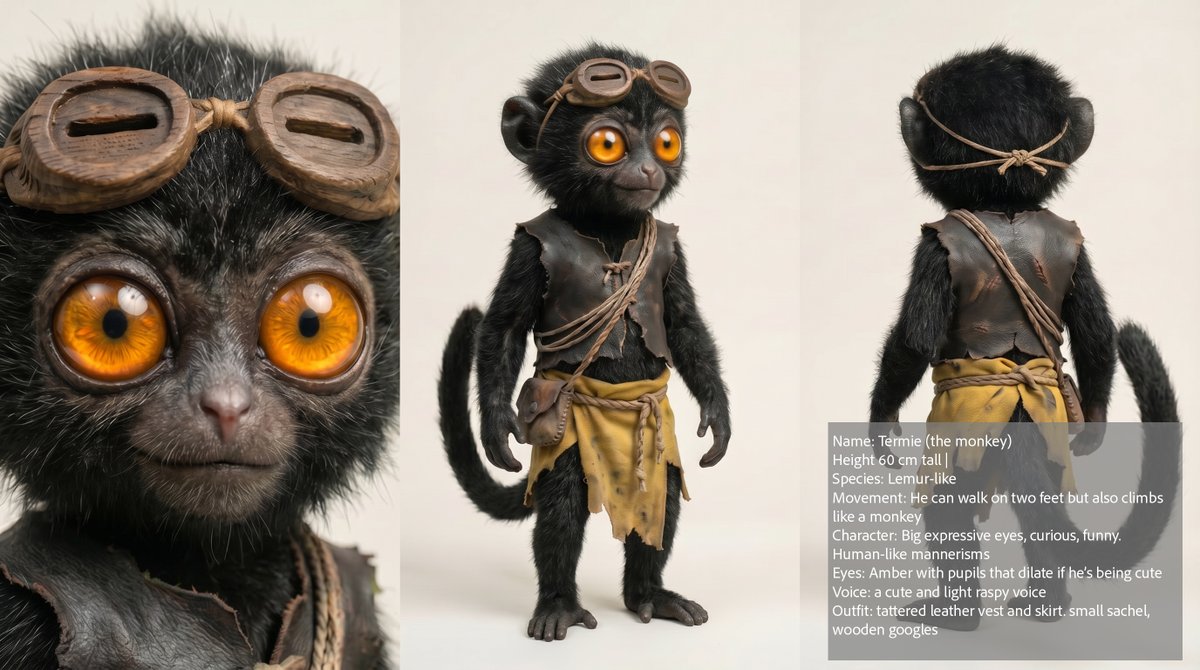
Here is the exact prompt template used to generate the Royal Guard character sheet above:
Horizontal character reference sheet on pure white background, three views side by side: front view (left), side profile (center), upper body close-up (right). THE DEFINITIVE ROYAL GUARD — best elements combined: smooth dark metal mask with narrow eye slits and subtle gold etching along the edges. Deep black velvet hood with exceptionally dense gold embroidery. Heavy black velvet robe, broad armored shoulders with dark metal pauldrons, armored gauntlets on the hands, gold chain clasp at the throat. Anonymous, powerful, loyal, terrifying. The pinnacle of the guard aesthetic. Photorealistic, studio lighting, 16:9 horizontal layout.5. Mastering Burst Coverage (Seedance + Luma)
Initially, the team relied on a convoluted 2×2 Nano Banana grid coverage method to generate alternate camera setups and angles, a process that was slow, expensive, and unpredictable.
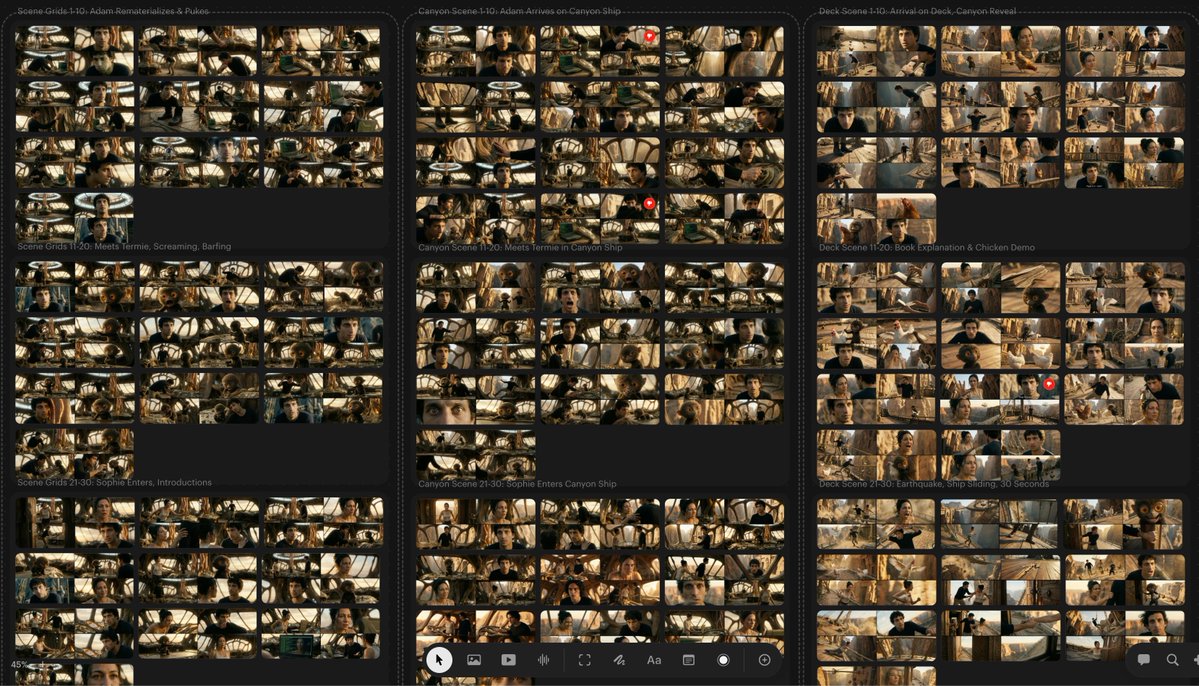
The original, complex grid system used to hunt for visual coverage.
To optimize this, PJ adopted a revolutionary technique called Burst Coverage, pioneered by visual artists Henry Daubrez, Kaigani, and Techhalla. The workflow represents a massive paradigm shift in AI cinematic production.
The Burst Coverage Formula: Instead of generating video from a single frame, you upload three key assets to **Seedance**: your start frame, your environmental location reference, and your character sheet.
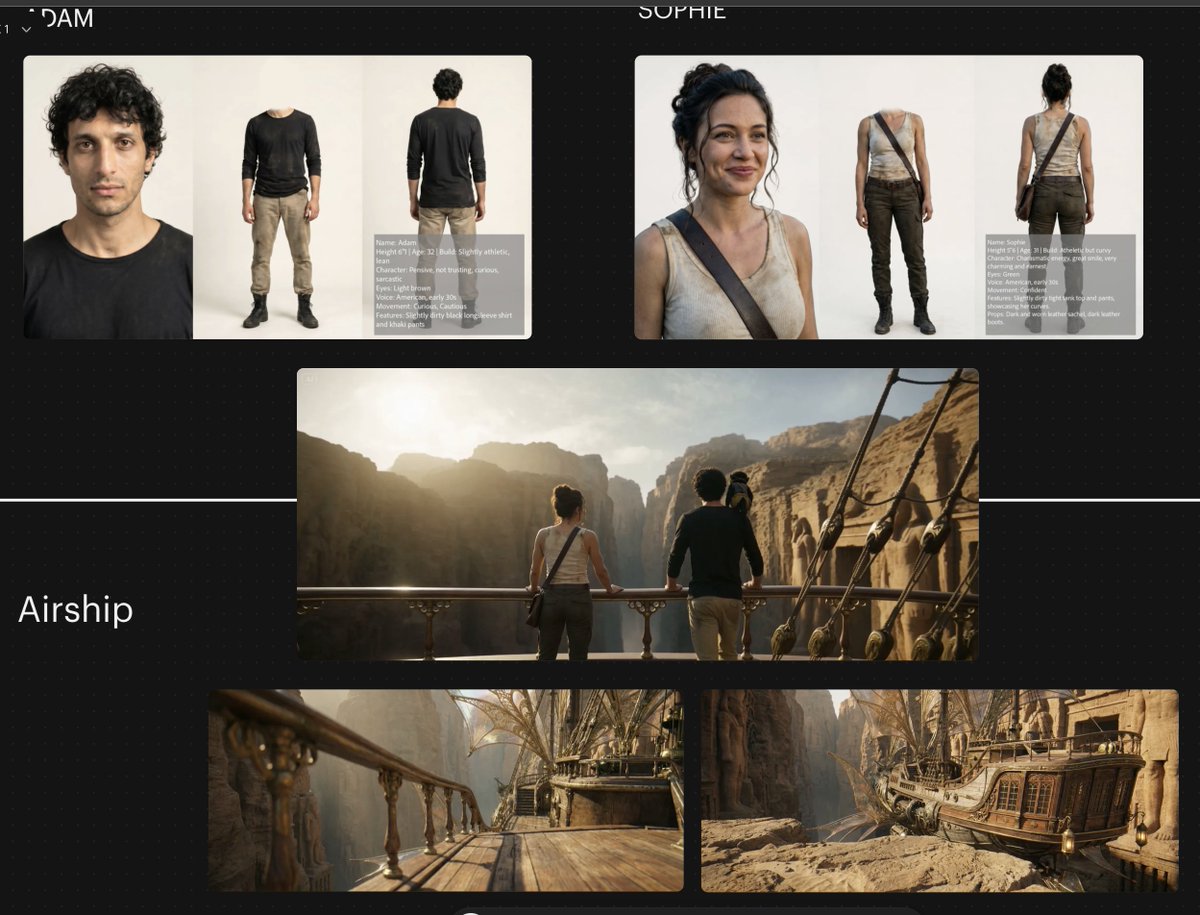
Seedance input variables: start frame, master location, and character sheet.
You then configure the Seedance parameters: instruct the characters not to move, but direct the camera to change angles every second. Seedance generates a 15-second 1080p sequence containing 15 to 30 completely different camera angles of the exact same static scene.
Next, you drop this video file into Luma and run the command: "extract every first frame and upscale". You instantly receive a massive collection of high-resolution, perfectly consistent static camera setups from your virtual set!

Configuring Seedance camera parameters to capture rapid burst angles.
For fast, simple scenes where spatial precision isn’t critical, you can bypass the start frame and simply upload your character sheets and locations. While faster, this method will cause characters to spawn in slightly inconsistent spots across different cuts, as shown in these three native examples:
Simple character/location generation without a fixed start frame. Take 1.
Simple take. Take 2.
Simple take. Take 3.
6. Master Scene Directives: Audio Design & Geolocation
For complex dialog sequences, PJ wrote highly detailed, holistic scene-script prompts that incorporate audio design, line delivery, character coordinates, and geographic rules. This ensures generative video models respect continuity across cuts.
Here is the exact master prompt template for the Airship Deck sequence. Feel free to copy and adapt it for your own productions:
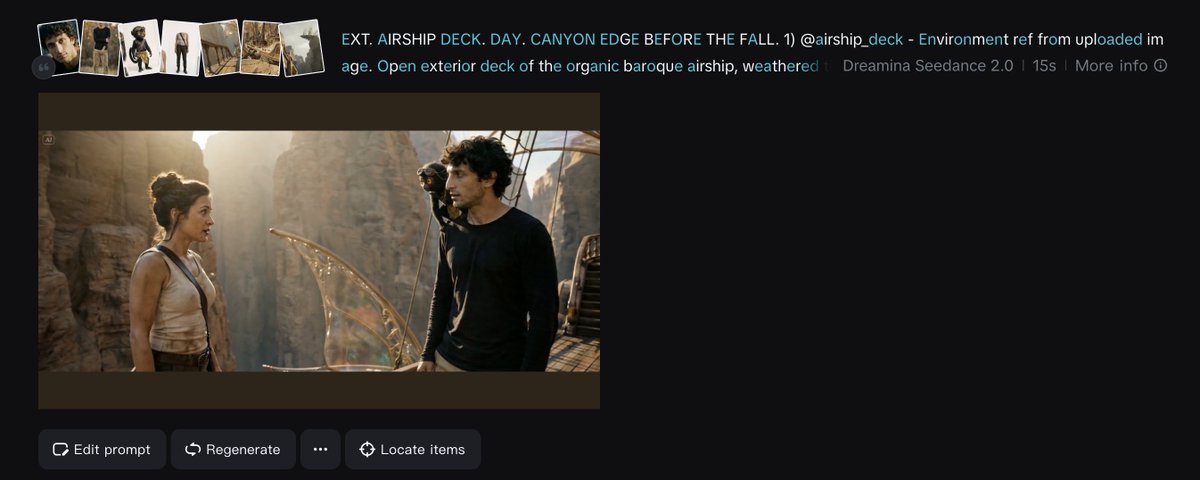
Visual block planning for character coordinates and camera placement.
EXT. AIRSHIP DECK. DAY. CANYON EDGE BEFORE THE FALL.

1) @ airship_deck - Environment ref from uploaded image. Open exterior deck of the organic baroque airship, weathered timber planks, rope rigging, gold filigree spars and membrane sails overhead, low rail at the edge. Parked on a mountainside above a vast dry canyon, cracked earth where Lake Geneva used to be, the ringing city ravaged. Golden hour light. Environment only.

@ adam - Already image referenced. Voice: neutral American accent, mid-pitch, low-grade urgency, tightening into mocking sarcasm when defensive. Voice only.

@ sophie - Already image referenced. Voice: neutral American accent, same register as @ adam, slightly higher pitch, clipped and practical, snapping when pushed. Voice only.

@ termie - Already image referenced. Small creature roughly the length of @ adam's torso, perched on @ adam's right shoulder against his neck throughout, leaning forward. Creature appearance only.

Scene context: @ sophie on the LEFT walking the length of the deck, prepping the ship for departure, checking rigging, testing rope tension, hand on the hull, scanning the spars, talking as she moves, never stopping. @ adam on the RIGHT a step behind, uncertain, @ termie on his right shoulder. Geography never flips. Both keep walking through every CUT until the rumble. Resolves on @ sophie pointing at @ adam as the deck pitches.

Arri Alexa 65, anamorphic 2.39:1, no lens flare. 35mm Kodak 5219. Fine grain. Hyper-realistic. No cloning. Tracking handheld follows movement, close-ups and medium close-ups, one wide. Hollywood acting. Natural light only, low golden hour sun raking from camera left, long shadows on the planks. Atmospheric haze, dust in the light.

CUT - tracking medium @ adam on the right third, @ termie perched on his right shoulder, normal speed - walking camera left following @ sophie off frame ahead, eyes scanning the deck and the canyon below off frame, wind in his curls, accent quiet and unhurried, "How do we get back?" - holding a beat, the walk continuing -

CUT - tracking medium @ sophie on the left third, normal speed - walking camera right along the deck ahead of @ adam off frame behind, hands moving as she goes, tugging a rope at the rail, testing tension, releasing, stepping past, not looking back, jaw tight, accent clipped and practical, "We're not going back." - the walk continuing, hand pressing flat against the hull as she passes - then sharper, eyes flicking back over her shoulder toward @ adam off frame, "The drought is happening in every reality. Not just ours. We're gonna figure out why." -

*Sound design: wind across the dry canyon throughout, @ sophie's boots on the timber planks walking, her hands on the rope and the hull, creak of timber and rigging, @ termie's claws scrabbling on @ adam's shoulder cloth, @ adam's exhale on the mocking line, a deep mechanical groan, a long low rumble, ropes snapping taut, @ sophie's boots sliding as the deck tilts, no music, sound design only.*
7. Handcrafted Composition: The Power of Image Guidance
PJ emphasizes a critical rule for modern cinematic workflows: never generate video sequences blindly from pure text prompts. Every complex action sequence in the trailer was guided by a custom-crafted base image. Relying on an initial, high-fidelity reference frame ensures camera work, light direction, and character blocked staging adhere strictly to classical cinema principles.
Here are four core action sequences from the trailer, generated using handcrafted base compositions:
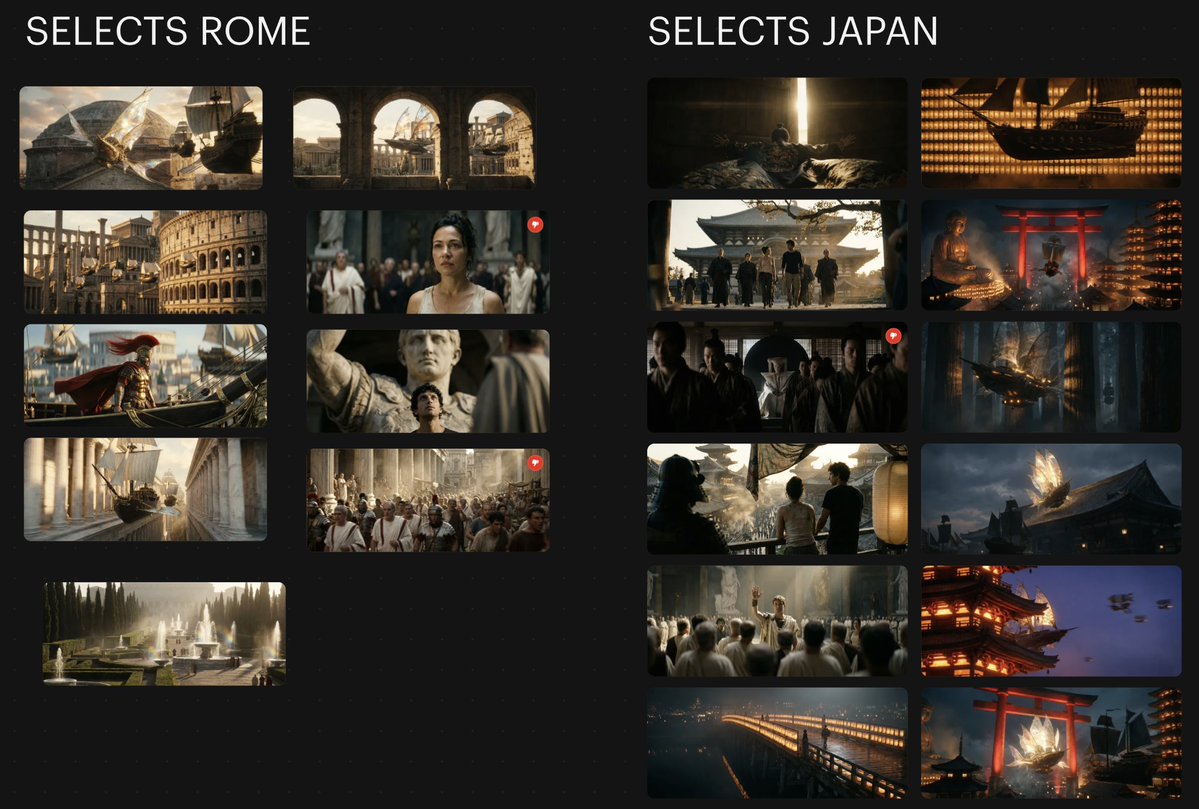
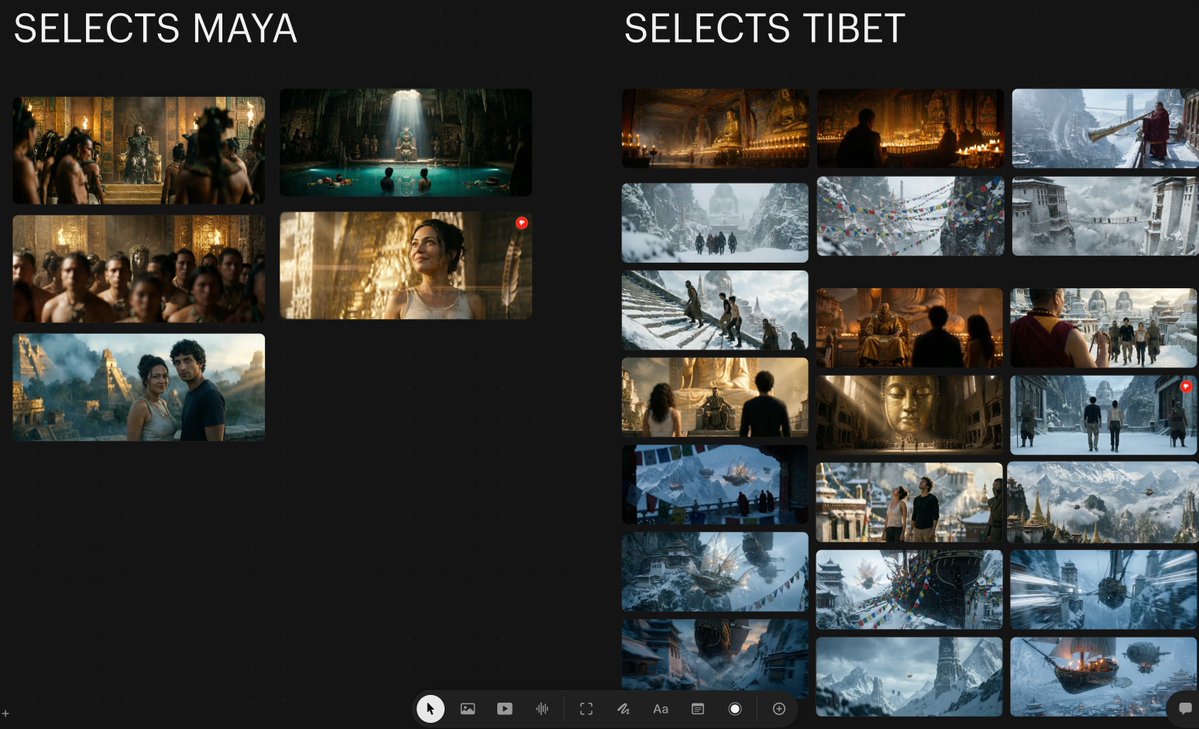
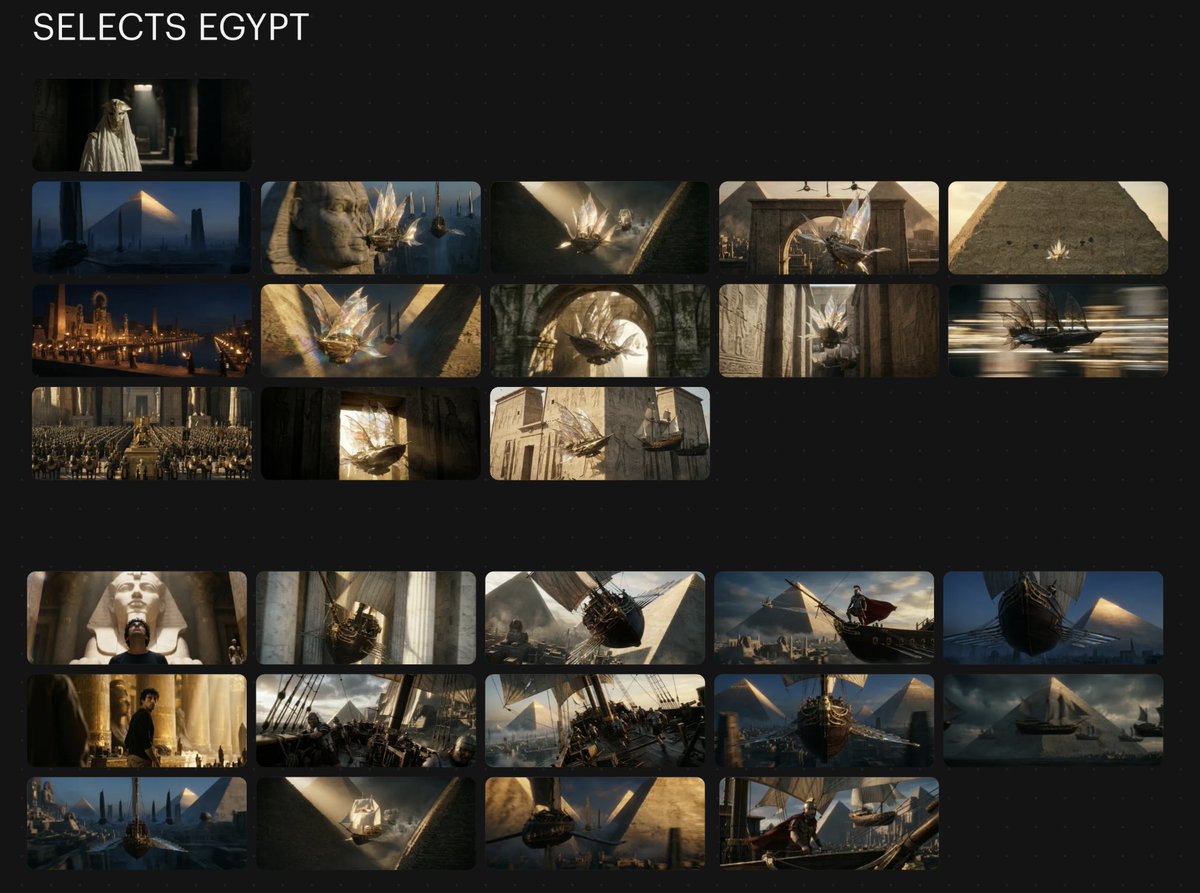
Reflecting on his photography background, PJ states: “You have to craft beautiful shots with love and time. AI is not a magic button that creates a masterpiece. It is an exceptionally responsive brush in the hands of an artist who understands light, composition, and human emotion.”
Budget, Time, and Final Triumph
Perfecting this 3-minute trailer took the team two months of part-time work, fitting in production sessions after hours. The project consumed roughly $5,000 worth of generation credits (Seedance graciously sponsored credits for testing).
The commitment to quality yielded massive rewards. The trailer served as a highly convincing, beautiful proof of concept. It bypassed traditional Hollywood gates to secure private feature-length funding for Nexus!
An uncompressed, raw local render of the final airship flyby sequence showing massive scale and detail.
🎬 Director’s Take: The Foundations Never Change
This masterclass proves a fundamental truth of the generative era: AI technologies can lower production barriers by several orders of magnitude, but they can never replace compelling dramaturgy and meticulous craftsmanship.
PJ Accetturo spent three weeks fine-tuning a three-minute script. He obsessed over facial consistency, built extensive Figma coordinates, and utilized Burst Coverage instead of clicking “generate” on random text sequences. It is this old-school director’s precision, combined with cutting-edge AI pipelines, that secured a multi-million dollar film deal.
If you want to build the future of cinema, do not take shortcuts. Master script structure, design custom Figma workspaces, organize your Luma boards, and build frames that tell a story. The camera is a tool. The brush is a tool. The neural network is a tool. The creator is always the human )
This article is based on the original Twitter thread and behind-the-scenes story shared by director PJ Accetturo (@PJaccetturo) on X/Twitter. All media files, screenshots, and visual references belong to the author and have been sideloaded locally to preserve content integrity.

Схожі статті

The Dawn of Literary Screen Adaptation: How PJ Accetturo Built the Red Rising Teaser with Luma AI Agent and Seedance 2.0
A comprehensive, step-by-step breakdown of the paradigm-shifting workflow that brings Hollywood-scale cinematic universes to life without a $200M greenlight.
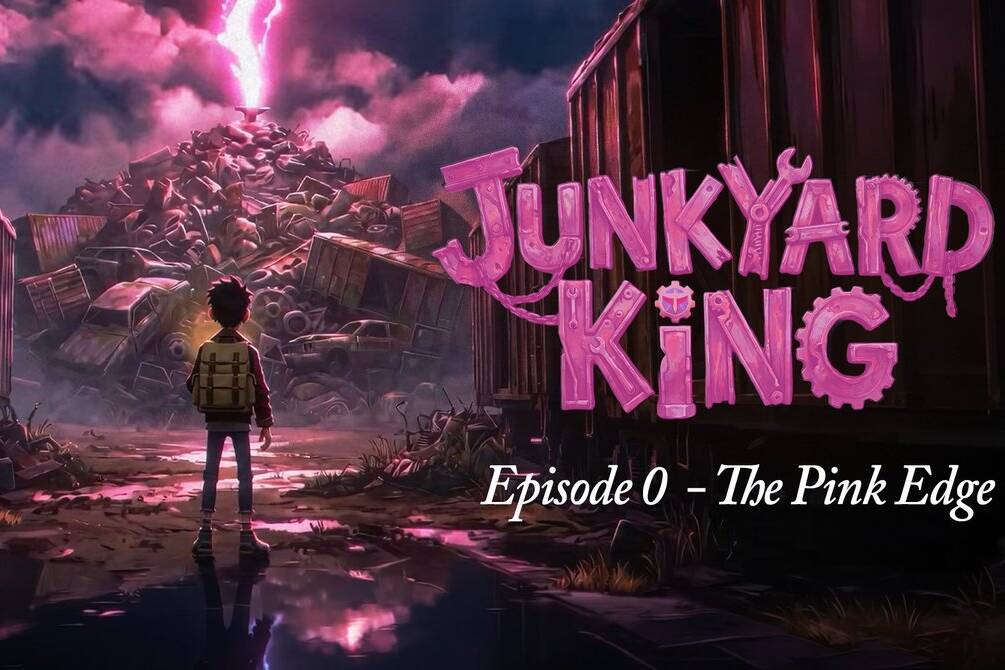
Junkyard King Release Workflow: Inside an 80s-inspired AI Animation Production
An in-depth directorial breakdown of Henry Daubrez’s workflow: managing AI agents, protecting character consistency via model bibles, and eliminating outlines.
